Ordinary People,
Extraordinary Stories
A 6-week peer storytelling and mental health programme for 100 young Nigerians across 4 states. Because every story creates magic.
Every day, young Nigerians carry stories they have never been allowed to tell. Not because those stories aren't powerful, but because shame and silence have convinced them that their lives are too ordinary to matter.
TSH has spent years proving that wrong. This programme creates structured, safe spaces where young people discover that their story, however ordinary it feels, is worth telling.
This is the next chapter.
Where Every Story
Gets to Be Told
Ordinary People, Extraordinary Stories is a 6-week peer mental health programme for 100 young Nigerians across 4 states. Each week goes deeper than the last, from identity and self-worth all the way to finding the power in your own story. Participants work through private assignments, share in their state WhatsApp groups, and come together on weekly cross-state video calls. The programme closes with a simultaneous in-person picnic day across all 4 states where every willing participant stands up and tells their story out loud, many for the very first time. It's peer-led, professionally guided, and free to every single participant.
The programme timeline is designed to align with the GYM Youth Empowerment Fund schedule and will run within the confirmed grant period.
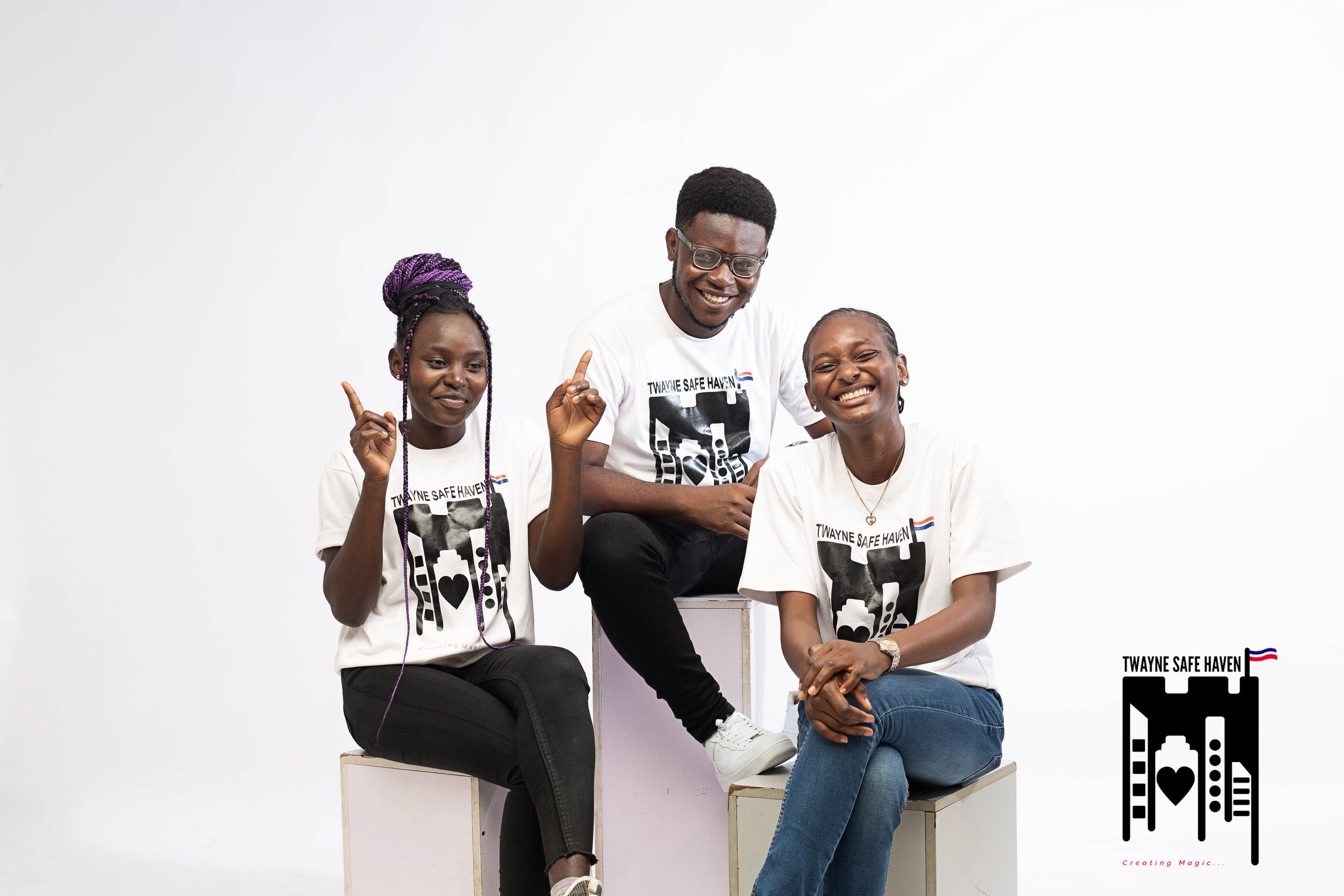
The Weight
of Silence
Young Nigerians are carrying a lot. Academic pressure, family expectations, financial stress, loneliness. Most have nowhere safe to put any of it.
The barrier isn't just a shortage of professionals. It's the deep shame that makes young people feel their struggles are too small or too embarrassing to deserve a platform. So they stay silent. And silence, over time, becomes a crisis of its own.
The WHO estimates that 10 to 20% of adolescents globally experience mental health conditions, with stigma as the primary barrier to help-seeking. Nigeria has fewer than 250 psychiatrists for over 220 million people. For young Nigerians navigating poverty and financial hardship, peer community support is often the only option available.
From Ordinary
to Extraordinary
Weeks 1 to 5 each open with a guest speaker who has personally lived through that week's theme. Week 6 has no external speaker. By then, the participants are the speakers.
The first week is about making every participant feel safe enough to show up as themselves. Many have spent years shrinking. Week 1 begins the work of reversing that.
Assignment: Write or voice-note three true things about yourself you've never shared in a group before.
Participants are invited to name what they're actually carrying: the shame, the pressure, the silent struggles. Not to fix them. Just to name them. Because naming something takes away some of its power.
Assignment: Write a letter to the version of yourself that has been carrying this weight silently.
Participants look backwards, not to dwell, but to understand. Many young Nigerians have never been invited to examine where their story began with curiosity rather than shame.
Assignment: Record a 2-minute voice note about where you come from, not your achievements, just your beginning.
The turning point. The narrative shifts from weight to strength. Every participant has survived something. This week helps them see that survival is not ordinary, it is extraordinary.
Assignment: "The hardest thing I've survived is... and what it taught me is..." For you first. No pressure to share.
The story opens outward. Participants begin to see that the story they've been ashamed of, the one they thought was too small, could be exactly what another young person needs to hear.
Assignment: Write a message to someone younger going through what you went through. You don't have to send it.
All 4 states gather simultaneously. Participants arrive not as strangers but as a community that has done five weeks of real inner work together. There is no external speaker this week. The participants are the speakers.
- Opening circle and post-programme wellbeing survey
- Story circle: every willing participant tells their story out loud
- Street stories: 5 to 10 community members share with signed consent
- Raw, unscripted video testimonials captured on camera
- Every participant receives their branded notebook and pen
In week 1 you arrive not knowing if your story matters. In week 6 you stand up and tell it anyway.
4 States.
One National Conversation.
Each state has an existing TSH community and trained peer facilitators already in place. This isn't a new structure being built from scratch. It's an activation of what already exists across years of community building.
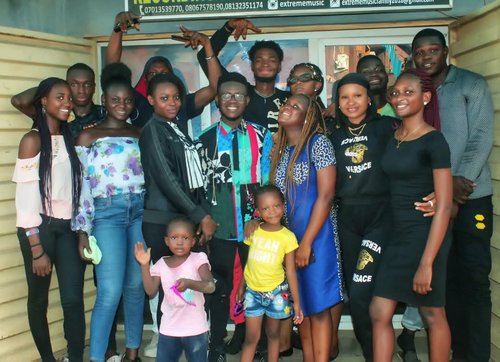
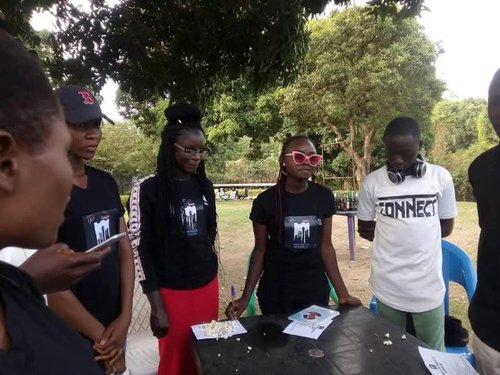
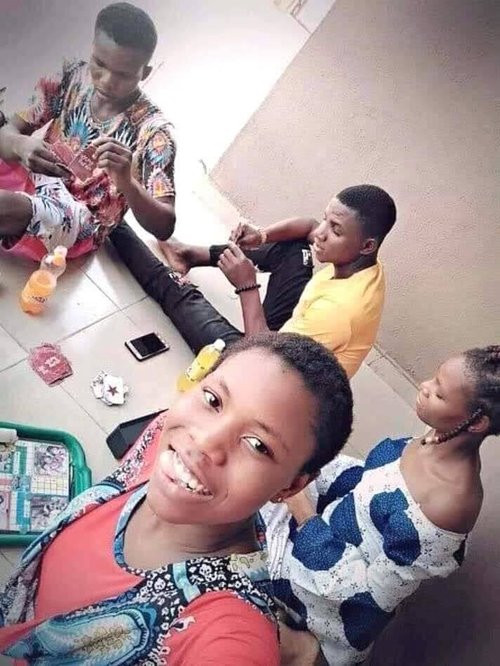
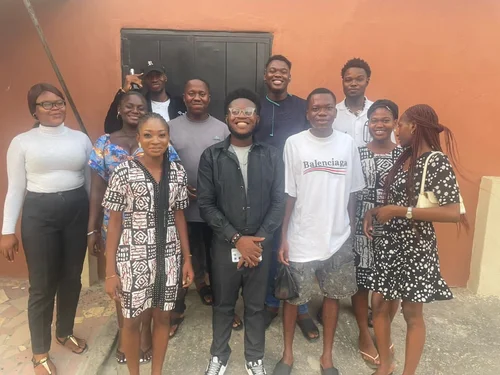
Together these four states represent three geopolitical zones of Nigeria: South-West, North-Central, and South-South. This is not a Lagos story. This is a Nigerian story.
Picnic Day and
Street Stories
Week 6 is more than a closing event. It's a declaration that young people's stories matter enough to gather for, to document, and to share with the world.
Street Stories: Going Beyond the Community
Each state team will approach 5 to 10 ordinary people nearby and ask one simple question: what's a story from your life you've never told anyone? With signed consent, these stories are filmed, expanding the programme's reach and proving that extraordinary stories exist everywhere.
This Is For
That Person
This programme is for young Nigerians aged 17 to 30 who are carrying real psychological weight but have no safe space to process it. Young people who feel unseen, unheard, and disconnected from peers across state lines.
It's for that person who feels ordinary. Who feels they haven't achieved anything. Who feels alone, like whatever they do they can't succeed. The person who feels like an empty space. The one who is easily ignored. The one who walks into a room and feels like they don't exist there. Their story is worth telling. Their story creates magic.
Who This Is For
What Each Participant Gains
- The felt experience of being genuinely heard by peers
- Language and tools to understand their own emotional state
- A cross-state peer community that continues after the programme
- Documented proof that their story exists and matters
- A branded notebook and pen as a lasting keepsake
Our Community,
In Their Own Words
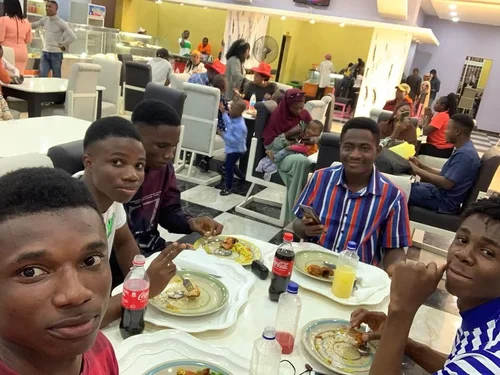
This isn't just a proposal on paper. These videos are from our most recent community hangout in Lagos, members speaking unscripted about what this space means to them.
How We Know
Something Changed
Every participant completes a short pre and post survey, at week 1 and again at the picnic in week 6. It combines the internationally validated WHO-5 Wellbeing Index with five programme-specific questions on storytelling, belonging, and self-worth. Together they give us both globally comparable wellbeing data and clear evidence of what the programme actually changed.
- Video testimonials from all 4 states after the picnic
- Zoom attendance logs and WhatsApp session records
- Photos from all 4 simultaneous state gatherings
- Sign-in registers from each picnic location
- Street story consent forms and filmed footage
Section A uses the WHO-5 Wellbeing Index, a globally validated tool scored 0 to 5, used in clinical and community settings worldwide. The WHO-5 measures overall wellbeing, mood, energy, and optimism. It tracks how participants feel in their daily life before and after the programme.
Section B uses five programme-specific questions scored 1 to 5, measuring belonging, self-worth, peer connection, and comfort with storytelling, the outcomes this programme is specifically designed to create.
We measure what actually matters. Not just whether participants showed up, but whether something genuinely shifted in how they see themselves and their story.
What Happens
After Week 6
The programme ends on picnic day. The community doesn't.
For Participants
For the Programme
This grant funds the first season. What it builds will outlast it.
Led by Young People,
Held Safely
All sessions are facilitated by young TSH members trained in peer support, using a framework developed in consultation with mental health professionals. This is structured peer support, not a clinical service, and that distinction is clearly communicated to every participant from day one.
- Active listening without advising or fixing
- Holding emotional space safely and gently
- Recognising when someone needs further support
- Referral steps and access to professional resources
Full Programme Budget
€1,500 · 4 States
All amounts are in euros. Exchange rate reference: 1,562 naira per euro (March 2026 mid-market rate). The state-by-state breakdown below explains the full allocation across all four locations.
Every euro of the €1,500 grant is accounted for. The participant data stipend ensures no young person is excluded from the online programme because of the cost of internet access. All participant activities are fully free.
Venue and documentation costs are slightly higher in Lagos and Abuja because both are major Nigerian cities where service costs are considerably higher than in Delta and Akwa Ibom. Facilitator stipends and refreshments are consistent across all four states.
Every Story
Creates Magic
TSH has spent years proving that when young people feel safe enough to speak, something extraordinary happens. This programme gives 100 young Nigerians across 4 states the space to finally be heard.
Presented to the Global Youth Mobilization Youth Empowerment Fund · Twayne Safe Haven · twaynesafehaven.org